

Restoring Hormonal Balance: Expert Gynaecological Care for Women
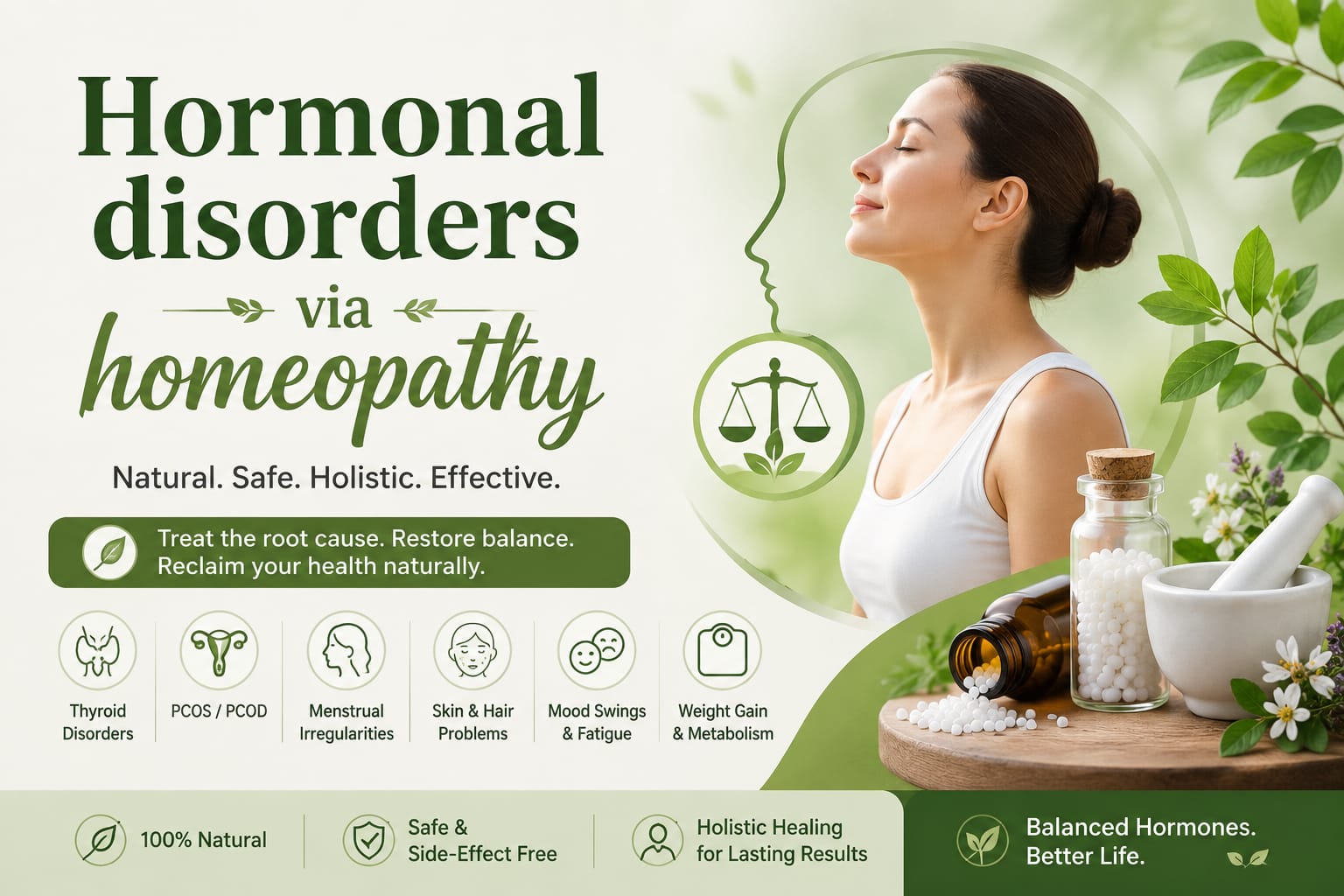
What is Hormonal disorders?
Hormonal disorders are conditions that occur when there is an imbalance in the body’s hormones—chemical messengers that control many important functions like growth, metabolism, reproduction, mood, and menstrual cycles.:
Common symptoms of hormonal disorders include:
- Irregular, delayed, or missed menstrual periods
- Heavy or very light menstrual bleeding
- Sudden weight gain or difficulty losing weight
- Acne, oily skin, or persistent skin problems
- Excess facial or body hair growth (hirsutism)
- Hair thinning or hair loss on the scalp
- Mood swings, irritability, anxiety, or depression
- Fatigue and low energy levels
- Difficulty getting pregnant or infertility issues
Common Types of Hormonal Disorders Gynaecological (Easy to Understand)
Polycystic Ovary Syndrome (PCOS)
Polycystic Ovary Syndrome (PCOS) is a hormonal disorder in which a woman’s ovaries produce higher-than-normal levels of androgens, which are often called male hormones.
Causes (Exact cause not single-factor)
The exact cause of Polycystic Ovary Syndrome is not known, but it is thought to happen due to a combination of **hormonal imbalance, insulin resistance, and genetic factors**. These factors increase male hormone levels in the body and disturb normal ovulation.
Lifestyle changes
In Polycystic Ovary Syndrome, lifestyle changes mainly focus on improving hormone balance and insulin sensitivity
Reproductive:
In Polycystic Ovary Syndrome, the reproductive effects mainly include irregular or absent menstrual cycles because ovulation does not occur regularly.
Pediatric Orthopedics
Pediatric Orthopedics is a branch of Pediatrics that focuses on the diagnosis, treatment, and management of bone, joint, muscle, and spine problems in infants, children, and adolescents.
How Homeopathy Helps in Hormonal Disorders Gynaecological ?
In Polycystic Ovary Syndrome, homeopathy is used as a supportive approach aimed at improving overall hormonal balance and reducing symptoms like irregular periods, weight gain, acne, and unwanted hair growth. Treatment is usually individualized, focusing on the patient’s specific symptoms, physical constitution, and emotional state.
Some people report improvement in menstrual regularity and general well-being with homeopathic care, but it is important to understand that strong scientific evidence supporting homeopathy as a primary treatment for PCOS is limited. Therefore, it is generally considered complementary rather than a replacement for standard medical treatments like lifestyle changes, hormonal therapy, or insulin-sensitizing medicines.
If you want, I can explain standard medical treatment vs homeopathy comparison in simple terms.
Homeopathic treatment may help in:
Homeopathy may be used as a supportive approach in managing various health concerns. It may help in:
- Relief from common acute illnesses such as fever, cold, and cough
- Support in recurrent infections and weak immunity
- Management of allergies and skin conditions like rashes and itching
- Reduction of digestive complaints such as gas, constipation, and loose motions
- Support for respiratory issues like asthma and chronic cough
Lifestyle Tips Along With Homeopathy
- Eat a healthy, balanced diet (more fruits, vegetables, fiber)
- Reduce sugar, junk food, and refined carbohydrates
- Do regular exercise (walking, yoga, or workouts)
- Maintain a healthy body weight
- Manage stress through meditation or breathing exercises
- Get proper sleep (7–8 hours daily)
- Stay consistent with routine and physical activity
These habits help improve hormonal balance, menstrual regularity, and overall well-being.

Frequently Asked Questions From Patients
A hormonal disorder occurs when there is an imbalance in the hormones that regulate various functions in the body, including menstruation, ovulation, fertility, mood, and metabolism.
Homeopathic medicines are generally considered gentle and are prescribed according to the patient’s symptoms, emotional condition, and overall health.
The duration varies from person to person depending on the severity, duration of symptoms, lifestyle, and emotional factors involved.
Yes, homeopathic treatment may help improve sleep quality, calm the mind, and reduce stress-related insomnia naturally.
In many cases, a combination of proper guidance, healthy lifestyle changes, counseling, and individualized homeopathic treatment provides better results.